
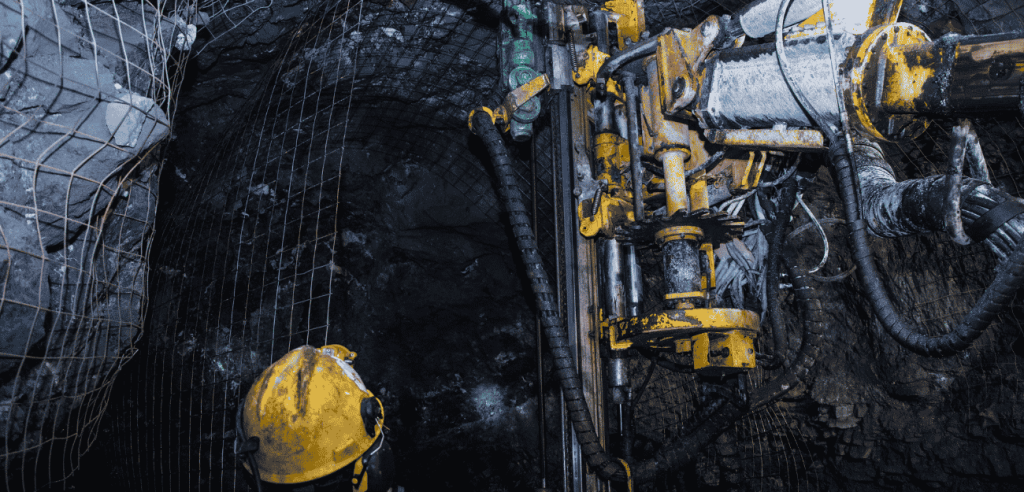
Can tamping products be customised for different mines? Yes, tamping and stemming products can be customised to suit different mining conditions.
However, customisation should never mean guesswork. In South African mining, tamping products must still support compliance, consistent blast performance, safe handling, and reliable procurement control.
For readers who first need to understand the difference between tamping and stemming, OGM Supplies has already explained the basics in its guide on tamping and stemming in mining. This article focuses specifically on how mines can approach tamping requirements when standard product sizing does not fully match site conditions.
Why Mines Need Customised Tamping Products
No two mining operations are exactly the same. A platinum mine, coal operation, gold mine, quarry, or open-cast site may use different drilling patterns, shot hole diameters, blasting methods, and production targets.
As a result, one generic tamping product may not suit every site. Mines may need customised tamping products to improve fit, handling, consistency, and blast support.
In addition, local ground conditions can influence product requirements. For example, hole diameter, moisture, fractured rock, underground access, stemming length, and blast-hole condition may all affect what product works best.
Therefore, tamping product customisation should be based on practical mining requirements, not only on available stock.
How Customised Tamping Products Support Blast Performance
Customised tamping products help mines match the product more closely to the blast-hole environment. When the product fits correctly, it can better support stemming control and confinement of explosive gases.
This matters because effective confinement helps more explosive energy act on the rock mass. As a result, the blast can support better fragmentation, more predictable muckpile conditions, and improved production flow.
However, tamping products do not work in isolation. Drilling accuracy, explosive selection, charging practice, rock type, burden, spacing, and stemming length still influence blast results.
For this reason, customisation works best when procurement teams, blasting officers, and suppliers discuss site requirements clearly before ordering.
Customisation Option 1 — Shot Hole Diameter
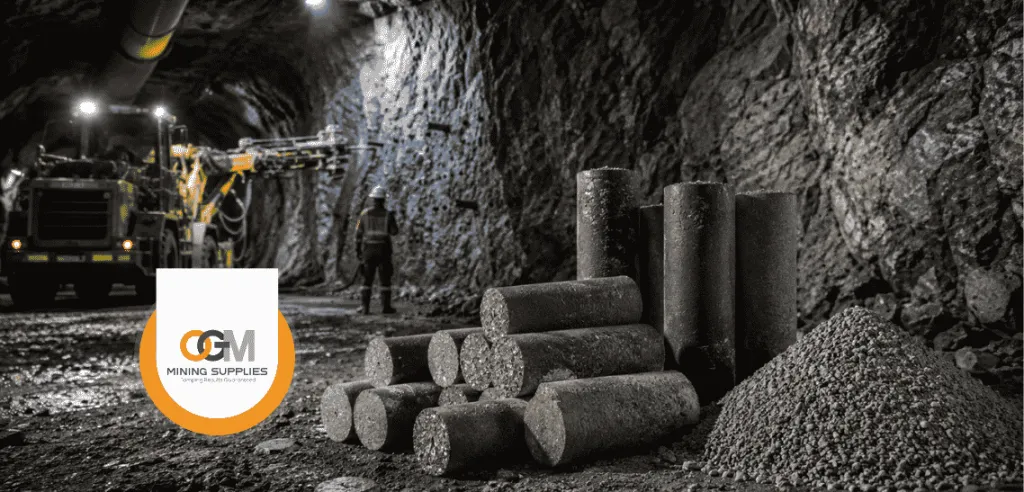
Shot hole diameter is one of the most important reasons mines request customised tamping products. If the tamping product does not match the hole correctly, it may not provide the required fit or resistance.
A product that is too small may fail to support effective stemming control. In contrast, a product that is unsuitable for the hole size may create handling or placement issues.
Therefore, mines should provide accurate shot hole diameter information when requesting tamping products. In addition, they should confirm whether the same diameter applies across all sections of the operation or whether multiple sizes are needed.
This is especially important for mines with changing drilling patterns or multiple production areas.
Customisation Option 2 — Hole Depth and Blast Design
Hole depth also affects tamping requirements. Deeper holes, different charge lengths, and varying stemming lengths may require a different approach to product sizing or supply quantities.
In addition, blast design can influence product selection. A mine may need tamping products that suit specific production blasts, development blasts, secondary blasting applications, or open-cast blasting requirements.
A specialist supplier should therefore ask practical questions before recommending a product. For example, the supplier may need to understand hole diameter, intended application, required size range, packaging requirements, and site supply schedule.
This does not replace the role of the blasting professional. However, it helps the supplier provide a product that supports the mine’s operational plan.
Customisation Option 3 — Underground and Surface Mining Conditions
Underground and surface mining operations often need different practical product considerations.
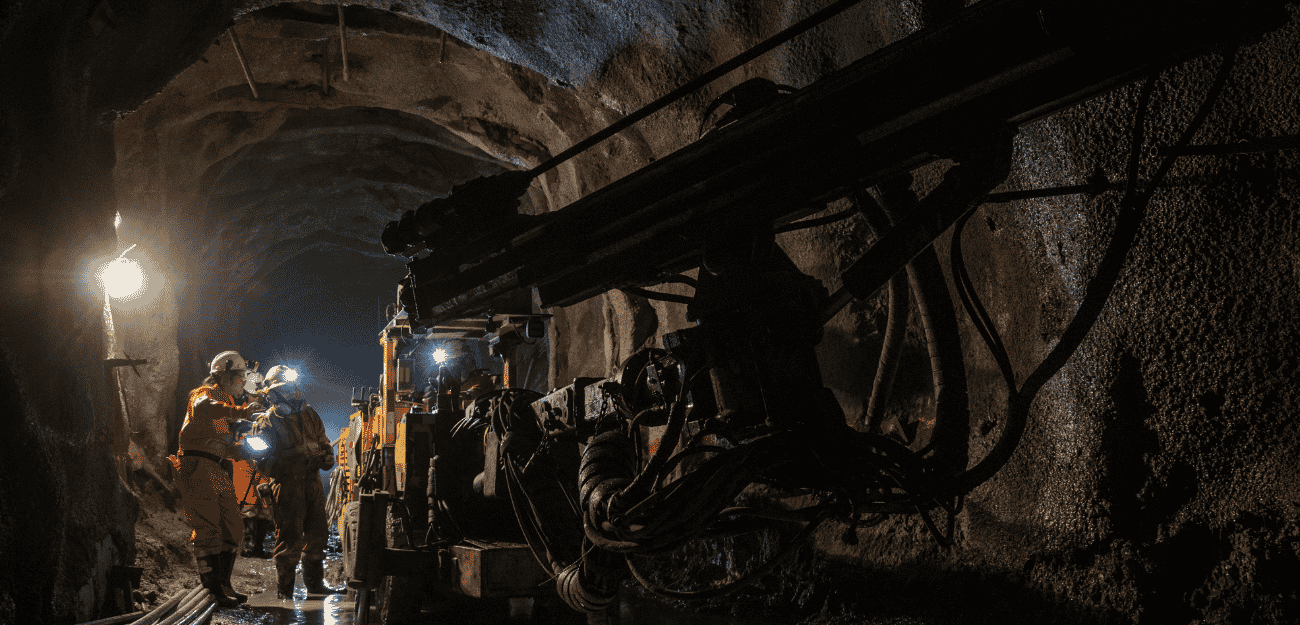
Underground mines may place more emphasis on handling, confined working areas, controlled blasting, and consistent use by crews. Surface operations may focus more heavily on larger blasting patterns, fragmentation targets, flyrock control, and high-volume supply.
In both environments, tamping products should support the mine’s blasting discipline. Moreover, the supplier should understand how the product will be transported, stored, handled, and used on site.
This is why customised tamping products should be discussed in relation to the mining environment, not only the product measurement.
For a safety-focused discussion, OGM Supplies has also covered whether tampings are safe for underground mining.
Customisation Option 4 — Material Consistency and Product Composition
The AI Overview results for this topic correctly highlight that tamping products can be adapted for different geological and environmental conditions. However, in mining procurement, the key issue is not only customisation. It is controlled, repeatable customisation.
Mines should avoid products that change from batch to batch without clear documentation. Even when a product is customised, its size, material behaviour, and quality should remain consistent across deliveries.
Material consistency matters because blasting teams rely on repeatable inputs. If tamping products vary too much, blast performance may become less predictable.
Therefore, custom tamping products should be manufactured and supplied under clear quality controls.
Customisation Option 5 — Packaging, Quantities, and Delivery Planning
Customisation can also include practical supply requirements. Mines may need specific packaging quantities, delivery schedules, storage considerations, or order volumes based on their blasting cycle.
For procurement teams, this is an important commercial factor. A correctly sized product is useful only if it arrives on time, in the right quantity, and with the correct supporting documentation.
In addition, mines should confirm whether the supplier can maintain repeat orders consistently. A once-off custom batch may solve a short-term problem, but ongoing production requires dependable supply.
Consequently, mines should choose a supplier that can support both technical customisation and operational stock planning.
Compliance Still Matters When Products Are Customised
Custom tamping products must still support compliance expectations. Custom sizing or site-specific supply should never weaken product quality, documentation, or traceability.
In South Africa, mines should consider SANS 120:2009 when evaluating stemming material suitability. Working with a SANS 120:2009-compliant tamping supplier helps procurement and blasting teams reduce uncertainty when approving products.
In addition, compliance documents help support audits, supplier evaluations, and internal safety reviews. Mines should therefore ask for documentation before approving custom products for site use.
Above all, customisation should strengthen the mine’s control over product suitability, not create additional risk.
Custom Tamping Products and GG41904 Risk Assessment
Customised tamping products should also be considered in the mine’s blasting risk assessment process. The 2018 amendments published under GG41904 emphasise risk-based control in explosives-related activities.
Section 4.14(2) and 4.14(3) requirements point to the importance of risk assessment involving the relevant parties, including the explosive supplier, stemming supplier, and blasting person where required.
Therefore, when a mine changes product size, specification, or application, it should ensure that the relevant product information supports the risk assessment. A specialist supplier can help by providing product details, compliance documentation, and supplier-side input.
This helps the mine connect custom product selection with safety, performance, and audit readiness.
What Mines Should Tell a Tamping Supplier
Before requesting a customised tamping product, the mine should provide clear information. This helps the supplier recommend a more suitable product and avoid delays.
Important information includes the mineral being mined, mining method, shot hole diameter, hole depth, expected stemming requirements, underground or surface application, order volume, and delivery location.
In addition, the mine should explain whether the requirement is for a once-off trial, a production supply contract, or a recurring monthly order. This helps the supplier plan stock, production, and documentation.
Furthermore, procurement teams should confirm the required compliance documents early in the process.
For an Overview of Tamping Manufacturers
Some buyers may first want to understand the South African manufacturing landscape. For that, OGM Supplies has already prepared a guide on who manufactures tampings in South Africa.
However, once a mine understands the market, the next step is supplier evaluation. The mine should ask whether the supplier can support site-specific sizing, consistent production, compliance documentation, risk assessment input, and reliable lead times.
In other words, the right supplier should help the mine buy correctly, not only buy quickly.
FAQs
Can tamping products be customised for different mines?
Yes, tamping products can be customised for different mines based on shot hole diameter, hole depth, blasting method, mining environment, and supply requirements. Customisation should still support product consistency, compliance, and safe handling.
What information should a mine provide before ordering custom tampings?
A mine should provide shot hole diameter, hole depth, underground or surface application, expected order volume, delivery area, and any site-specific requirements. This helps the supplier recommend a product that suits the operation.
Do customised tamping products still need to comply with SANS 120:2009?
Yes, customisation should not remove the need for compliance support. Mines should request relevant SANS 120:2009 documentation and confirm that the supplied product matches the approved specification.
Are custom tamping products suitable for both underground and surface mines?
Yes, custom tamping products can be supplied for both underground and surface applications. However, the supplier should understand the operating environment because handling, sizing, supply volume, and performance requirements may differ.
What should mines check before buying tampings?
Mines should check product size, batch consistency, SANS 120:2009 compliance support, documentation, supplier experience, and local stock availability. They should also confirm whether the supplier can assist with product information for risk assessment purposes.